
Introduction: The Modern Forex Broker
The role of the forex broker has undergone a significant transformation in recent years. No longer simply a facilitator of foreign exchange transactions, the modern broker is now a complex ecosystem of technology, community, and regulatory compliance. This evolution is driven by increasing investor demands for sophisticated trading tools, transparent pricing, and, above all, secure and regulated environments.
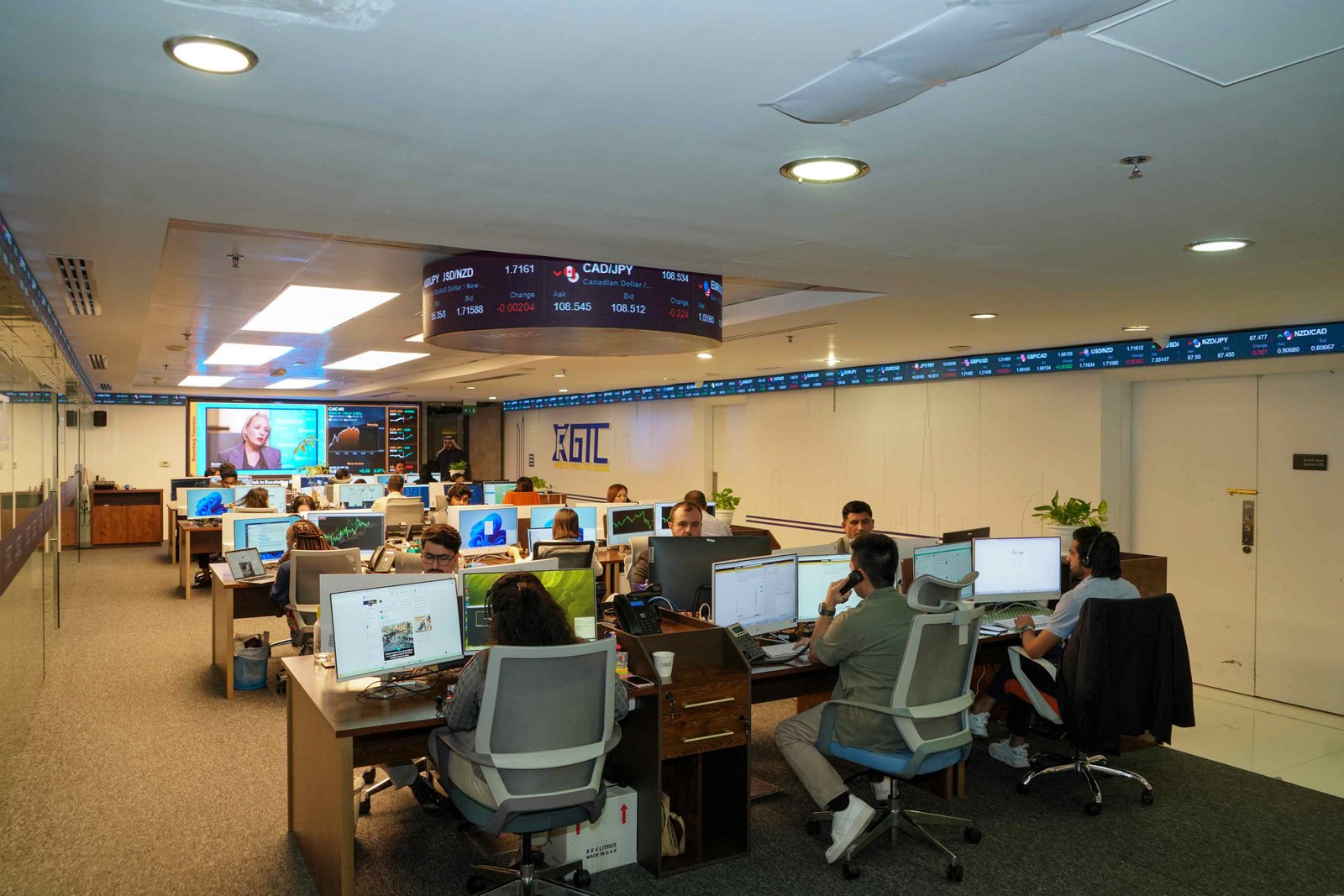
Technological Innovation: Powering Enhanced Trading Experiences
Technology lies at the heart of this evolution. Forex platforms are constantly being refined with cutting-edge tools and features. Brokers are leveraging sophisticated APIs (Application Programming Interfaces) to allow traders to connect to their platforms through custom applications, algorithmic trading systems, and third-party analytics tools. These APIs provide flexibility and control, empowering traders to automate strategies and optimize their trading performance. Furthermore, advanced charting packages, real-time foreign exchange news feeds, and economic calendars are now standard features, providing traders with the information they need to make informed decisions.
The Rise of Social Trading and Copy Trading Platforms
One of the most significant developments has been the emergence of social trading platforms, also known as copy trading or follow trading communities. These platforms allow novice traders to automatically copy the trades of experienced and successful traders. This ‘follower’ benefits from the expertise of seasoned professionals, while the ‘leader’ often receives compensation based on the number of followers and their trading volume. This democratization of trading access has broadened the appeal of forex trading and created vibrant online communities where traders can share ideas and strategies. The concept of ‘smart copy trading’ is gaining traction, with brokers implementing algorithms to optimize copy trading strategies, considering factors such as risk tolerance and trading style.
Fund Security: A Paramount Concern
While technological advancements and social trading features are attractive, the paramount concern for any forex trader remains the security of their funds. Reputable brokers understand this and prioritize fund security above all else. This includes segregating client funds from the broker’s own operational capital, ensuring that client money cannot be used for the broker’s own purposes. Furthermore, many brokers participate in compensation schemes that provide a safety net for traders in the unlikely event of broker insolvency.
Regulation: Ensuring a Level Playing Field
Strong regulatory oversight is crucial for maintaining a fair and transparent trading environment. Regulators such as the FCA (Financial Conduct Authority) in the UK, ASIC (Australian Securities & Investments Commission) in Australia, and CySEC (Cyprus Securities and Exchange Commission) in Cyprus impose strict rules on forex brokers, including capital adequacy requirements, anti-money laundering (AML) protocols, and reporting obligations. Choosing a broker regulated by a reputable authority provides traders with a significant layer of protection and assurance.
The Future of Forex Brokers: Intelligent Automation and Personalized Experiences
Looking ahead, the future of forex brokers is likely to be shaped by further advances in artificial intelligence (AI) and machine learning (ML). We can expect to see more sophisticated risk management tools, personalized trading recommendations, and automated trading strategies powered by AI. Brokers will increasingly focus on providing a more personalized and intuitive trading experience, tailoring their platforms and services to the individual needs of each trader. The lines between traditional forex trading and automated, AI-driven systems will continue to blur, creating a more efficient and accessible trading environment.
Conclusion: Choosing the Right Broker
Selecting the right forex broker is a critical decision that can significantly impact a trader’s success. Traders should carefully consider factors such as regulation, fund security measures, trading platform features, customer support, and pricing. By understanding the evolving role of the forex broker and prioritizing safety and security, traders can navigate the complexities of the forex market with confidence.
