
The Broker: More Than Just a Middleman
The term “BROKER” has traditionally signified a crucial intermediary in financial transactions, connecting buyers and sellers across various markets. However, in the age of digital transformation, the role of the broker, particularly within the realm of Forex trading, has evolved significantly. Today’s broker is no longer just a conduit for order execution but a technology-driven platform offering a comprehensive suite of tools and services designed to enhance the trading experience and empower traders of all skill levels.
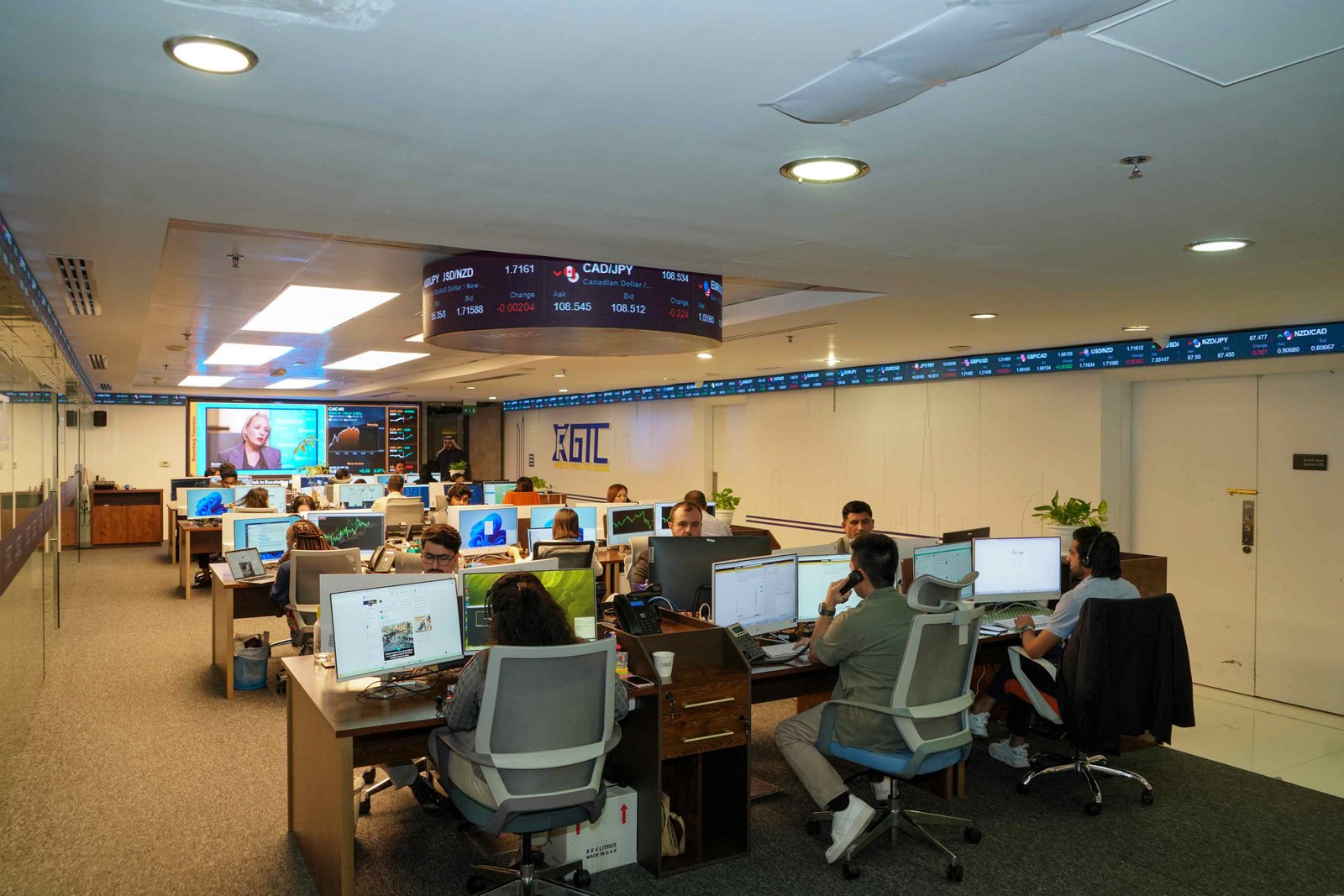
Forex Trading Platforms: A Technological Revolution
The modern Forex platform represents a significant leap from the traditional brokerages of the past. These platforms are powered by cutting-edge technology, offering real-time market data, advanced charting tools, and sophisticated order management systems. The access to a wide array of currency pairs and financial instruments has democratized Forex trading, making it accessible to a global audience. Furthermore, the integration of APIs allows for the connection of external trading tools and algorithmic trading strategies, catering to the needs of sophisticated traders and institutions.
The Rise of Copy Trading and Trading Communities
One of the most transformative innovations in the Forex trading landscape is the emergence of copy trading platforms and trading communities. These platforms allow novice traders to learn from and replicate the strategies of experienced traders. This concept, often referred to as “social trading,” provides a structured learning environment and the potential to generate profits while developing trading skills. The “follow” and “copy” mechanisms within these systems empower users to mirror the trades of successful traders, effectively leveraging their expertise. The underlying technology that powers these systems is complex, requiring robust risk management features and transparent performance tracking.
Smart Copy Trading: Innovation in Follow-The-Leader Investing
“Smart copy trading” takes the traditional model one step further. Instead of blindly replicating every trade, these systems employ algorithms and AI to optimize the copy process. They consider factors such as risk tolerance, capital allocation, and individual trading goals to customize the replication strategy. This allows for a more personalized and risk-aware approach to copy trading, potentially leading to better outcomes for the follower. Such systems provide sophisticated risk management tools allowing users to customize the level of capital at risk.
The Importance of Security and Regulation
With the increasing complexity and accessibility of Forex trading, “security” and “regulation” are paramount concerns. Reputable Forex platforms adhere to stringent regulatory standards imposed by authorities such as the Financial Conduct Authority (FCA), the Securities and Exchange Commission (SEC), and other international regulatory bodies. These regulations are designed to protect traders’ funds, ensure fair trading practices, and prevent market manipulation. Robust security measures, including encryption, two-factor authentication, and segregated client accounts, are essential for safeguarding user data and funds. The broker’s commitment to security is a crucial factor for traders when selecting a platform.
Funds Security: A Primary Consideration
Traders prioritize the “funds security” offered by a broker. This goes beyond just regulatory compliance. Brokers need to demonstrate robust risk management practices, maintain adequate capital reserves, and implement strict internal controls to protect client assets. Insurance coverage is often employed to further mitigate risk.
Staying Informed with Forex News and Analysis
Access to timely and accurate “Forex news” and analysis is essential for making informed trading decisions. Modern brokers provide their clients with access to a wealth of resources, including market commentary, technical analysis reports, and economic calendars. These resources help traders stay abreast of market developments and identify potential trading opportunities. Many brokers also offer educational resources, such as webinars, tutorials, and eBooks, to help traders improve their knowledge and skills.
API Integration: Enabling Algorithmic Trading
For advanced traders, the availability of an “API” is crucial. An API (Application Programming Interface) allows traders to connect their own trading algorithms and automated trading systems to the broker’s platform. This enables them to execute trades programmatically, automate their trading strategies, and integrate with third-party tools and data providers.
The Future of Brokering: A Personalized and Secure Experience
The evolution of the broker continues, driven by technological innovation and the increasing demands of traders. The future of brokering likely involves even greater personalization, with platforms adapting to individual trading styles and risk profiles. Enhanced security measures, AI-powered trading tools, and seamless integration with other financial services are also expected to play a key role. The ultimate goal is to provide traders with a safe, efficient, and empowering trading environment.
