
The forex broker landscape has undergone a dramatic transformation in recent years, driven by technological innovation and evolving trader expectations. No longer simply intermediaries executing trades, modern brokers are sophisticated platforms offering a wide range of services, from advanced trading tools to robust social trading features. This evolution is fundamentally reshaping how individuals engage with the foreign exchange market.
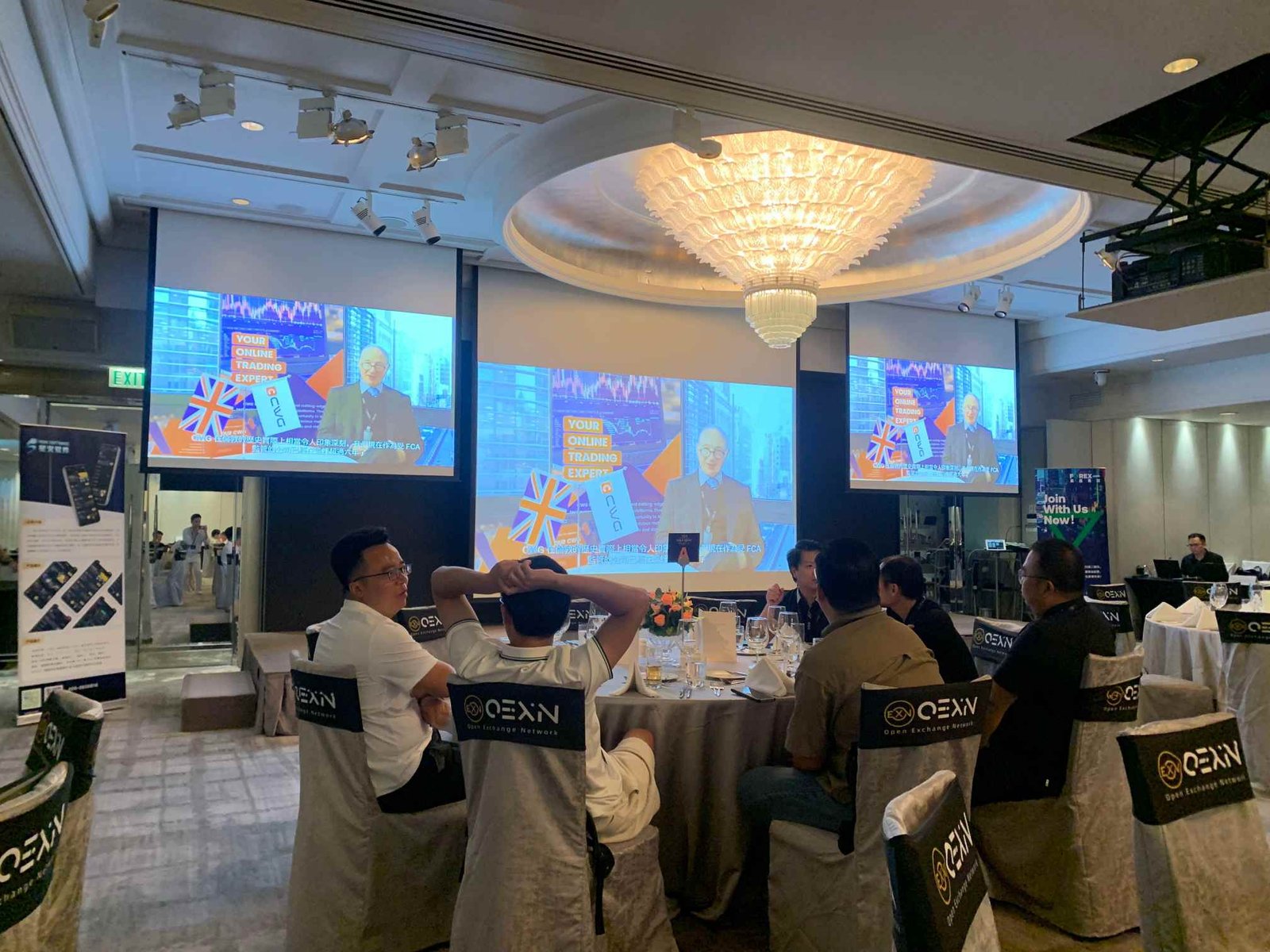
The Rise of Online Forex Trading Platforms
Traditionally, forex trading was the domain of institutional investors and high-net-worth individuals. The advent of online forex trading platforms democratized access to this market, making it accessible to a broader audience. These platforms provide traders with the tools and resources necessary to analyze market trends, execute trades, and manage their accounts. Key features include real-time market data, charting tools, and a user-friendly interface. However, the rapid expansion of the industry also brought challenges, particularly concerning security and regulatory compliance.
The Power of Social Trading and Copy Trading Communities
One of the most significant developments in the forex brokerage space is the rise of social trading and copy trading communities. These platforms allow novice traders to learn from and even automatically copy the trades of more experienced and successful traders. This approach offers several advantages. It provides a learning opportunity for beginners, allows them to potentially profit from the expertise of others, and creates a sense of community among traders. Forex brokers who facilitate these social trading environments often integrate sophisticated risk management tools, allowing copy traders to control their risk exposure by setting limits on the amount they copy and the maximum drawdown they are willing to tolerate. This is also known as ‘smart copy trading’.
Technological Innovation: Driving the Future of Forex Trading
Technology is at the heart of the modern forex broker. From advanced trading algorithms to sophisticated risk management systems, technology is driving innovation and improving the overall trading experience. For example, algorithmic trading allows traders to automate their trading strategies, executing trades based on pre-defined rules and conditions. High-frequency trading (HFT), while primarily used by institutional investors, relies on advanced technology to identify and exploit small price discrepancies in the market. Brokers also utilize sophisticated data analytics to monitor trading activity and detect potential fraudulent or abusive behavior. An API, or application programming interface, is also a key element allowing traders to build and customize their trading environment.
Security and Regulatory Compliance: Cornerstones of Trust
In the fast-paced and often volatile world of forex trading, security and regulatory compliance are paramount. Traders need to be confident that their funds are safe and that the broker is operating ethically and transparently. Reputable forex brokers are regulated by recognized financial authorities, such as the Financial Conduct Authority (FCA) in the UK, the Australian Securities and Investments Commission (ASIC), or the Cyprus Securities and Exchange Commission (CySEC). These regulatory bodies enforce strict rules and regulations designed to protect traders, including requirements for segregated client accounts, capital adequacy, and anti-money laundering (AML) procedures. Regulatory oversight is crucial for building trust and maintaining the integrity of the forex market.
Improving the Trading Experience: A Holistic Approach
Modern forex brokers are increasingly focused on providing a comprehensive and user-friendly trading experience. This includes offering a wide range of educational resources, such as webinars, tutorials, and market analysis reports, to help traders improve their knowledge and skills. Brokers also provide responsive customer support, available 24/7, to assist traders with any issues or questions they may have. Furthermore, brokers are constantly innovating to improve their trading platforms, adding new features and tools to enhance the overall trading experience. Staying informed about the latest forex news and economic calendar events is also vital, and leading brokers provide real-time updates to their clients.
The Future of Forex Brokers: A Focus on Automation and Personalization
Looking ahead, the forex broker industry is likely to continue to evolve, driven by technological advancements and changing trader needs. We can expect to see greater use of artificial intelligence (AI) and machine learning (ML) to automate trading strategies, personalize the trading experience, and improve risk management. The integration of blockchain technology could also enhance security and transparency in the forex market. As the industry matures, the focus will increasingly be on providing a secure, efficient, and user-friendly trading environment that empowers traders to achieve their financial goals.
