
Introduction: The Broker at the Forefront of Forex
In the dynamic world of foreign exchange (forex) trading, the broker serves as a crucial intermediary, connecting individual traders to the global currency market. However, the role of the forex broker is constantly evolving, driven by technological innovation, changing trader preferences, and increasingly stringent regulatory oversight. This article explores these transformations, focusing on how brokers are adapting to meet the demands of a modern trading environment while ensuring the safety and security of their clients’ investments.
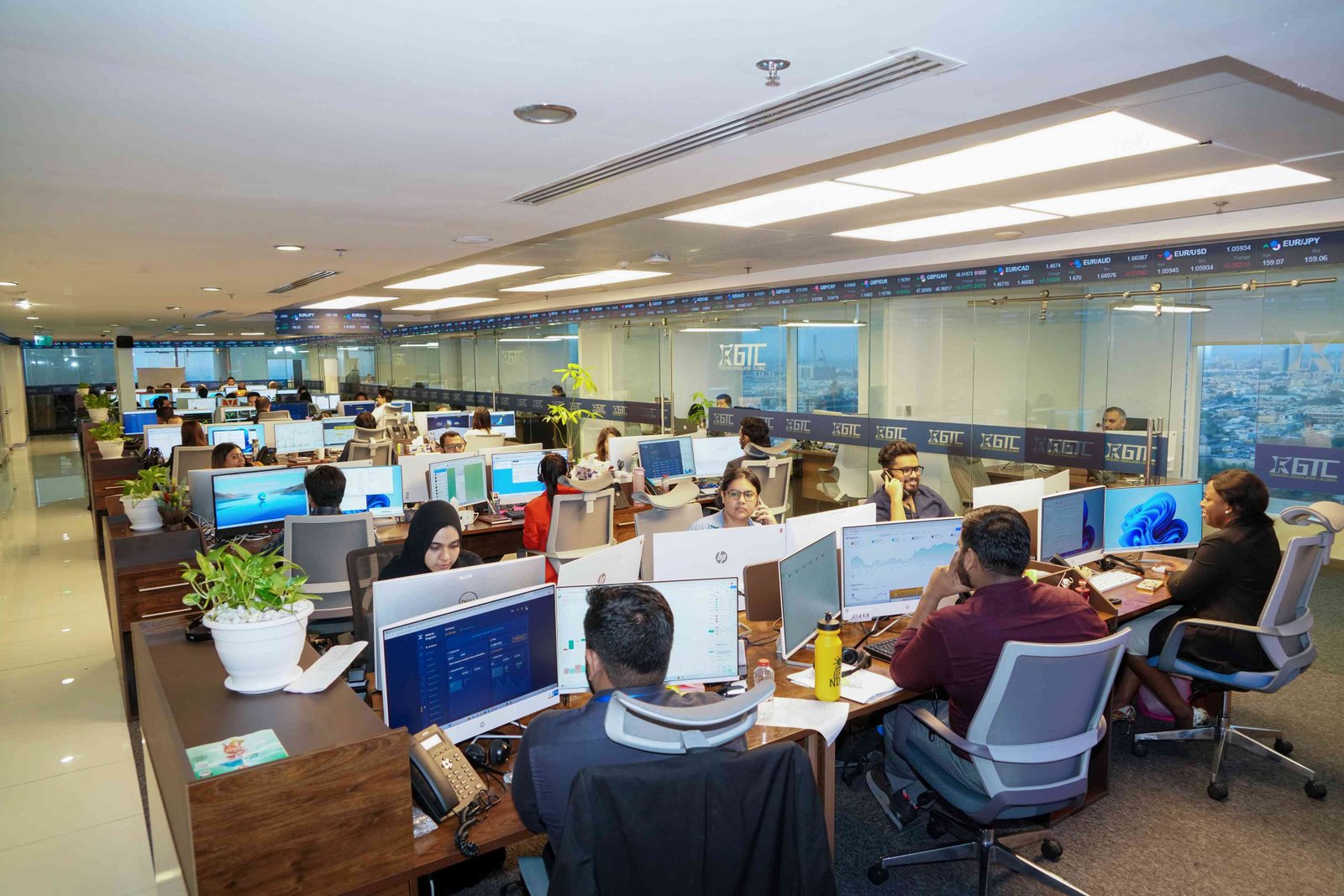
Technological Innovation and Enhanced Trading Experience
The advent of powerful trading platforms and advanced analytical tools has fundamentally reshaped the forex trading landscape. Brokers are increasingly investing in technology to provide traders with a seamless and sophisticated trading experience. This includes user-friendly interfaces, real-time charting capabilities, and access to a wealth of market data. Furthermore, the integration of Application Programming Interfaces (APIs) allows traders to connect their own custom-built strategies and algorithms directly to the broker’s platform, enabling automated trading and more advanced analysis.
The Rise of Social Trading and Copy Trading
One of the most significant trends in recent years has been the rise of social trading and copy trading. This allows novice traders to follow and replicate the trades of more experienced individuals within a shared community. Forex brokers are facilitating this trend by offering integrated social trading platforms and copy trading functionalities. This provides a unique opportunity for less experienced traders to learn from seasoned professionals and potentially benefit from their expertise. However, it also underscores the broker’s responsibility to ensure transparency and to provide clear disclosures regarding the risks associated with copy trading strategies.
Intelligent Copy Trading Solutions
Moving beyond simple copy trading, brokers are now offering more intelligent solutions. These platforms utilize algorithms to assess the performance of different traders and to optimize the copy trading process, potentially mitigating risks and enhancing returns. These “smart copy” or “intelligent follow” systems often consider factors such as risk tolerance, trading style, and historical performance when selecting traders to follow. This level of sophistication demands a high level of transparency and clear communication from the broker to ensure that users fully understand the parameters of the system.
The Importance of Regulation and Security
In the forex market, trust and security are paramount. Traders need to be confident that their funds are safe and that the broker is operating ethically and transparently. This is where regulation plays a critical role. Reputable forex brokers are regulated by recognized financial authorities, such as the Financial Conduct Authority (FCA) in the UK, the Securities and Exchange Commission (SEC) in the US, or the Australian Securities and Investments Commission (ASIC). These regulatory bodies enforce strict rules regarding capital adequacy, segregation of client funds, and fair trading practices. Choosing a regulated broker is essential for protecting your investment.
Fund Security and Risk Management
Beyond regulatory compliance, brokers employ various measures to ensure the security of client funds. This includes segregating client funds from the broker’s own operating capital, using secure banking facilities, and implementing robust cybersecurity measures to protect against hacking and data breaches. Brokers also provide risk management tools, such as stop-loss orders and leverage controls, to help traders manage their exposure to risk. Access to reliable and timely forex news is also essential for making informed trading decisions, and brokers often provide access to news feeds and market analysis.
The Future of Forex Broking
The future of forex broking will likely be shaped by further technological advancements, increasing regulatory scrutiny, and a growing demand for personalized trading experiences. Brokers who embrace innovation, prioritize fund security, and provide transparent and reliable services will be best positioned to thrive in this competitive environment. This includes continuously improving trading platforms, offering sophisticated risk management tools, and providing access to high-quality educational resources. The broker of the future will be more than just an intermediary; they will be a trusted partner in the trader’s journey to financial success.
